Mobile Commerce System Design for Marketplace Growth
Chief Designer of Mobile, Mobile Commerce Platform
Led mobile commerce initiatives at DHgate, improving conversion, driving repeat purchasing, and scaling core marketplace experiences including checkout, promotions, and seller tools, contributing to significant mobile GMV growth.
Results
Mobile GMV increased from $29.6M to $64.1M
New buyer growth reached 439% on mobile
Conversion improved through checkout and promotional optimization
Mobile revenue scaled significantly through platform alignment and experimentation
Core Growth Levers
Mobile was still early and under-optimized compared to desktop, creating clear gaps in conversion, engagement, and repeat purchasing. We focused on introducing targeted product initiatives that reduced friction, improved discovery, and strengthened user retention, turning mobile into a primary driver of growth.
One Step Buy & Conversion
Checkout was a major point of friction on mobile, with multi-step flows causing drop-off during purchase. We introduced One Step Buy to simplify the transaction process, enabling faster decision-making and reducing the effort required to complete a purchase.
Streamlined checkout flow to reduce friction
Enabled faster purchase completion through a single action
Reduced drop-off across multi-step checkout
Simplified purchasing interactions for mobile users
Coupons & Repeat Purchasing
Mobile lacked strong mechanisms to re-engage users after initial purchases. We introduced integrated coupon systems and mobile-first promotions to incentivize return visits and encourage more frequent purchasing behavior.
Integrated platform-wide and seller-specific coupon systems
Introduced mobile-first promotional strategies
Enabled seamless application of discounts during checkout
Encouraged repeat engagement through targeted incentives
Seller Stores & Buyer–Seller Relationships
As mobile traffic scaled, buyer–seller interactions remained shallow. Transactions were largely one-off, with limited visibility into seller identity and product breadth, reducing trust and repeat purchasing.
We introduced dedicated Seller Stores to expand seller presence beyond product pages, enabling buyers to evaluate sellers more holistically while giving sellers space to merchandise and build ongoing relationships.
Introduced Seller Stores as a primary navigation entry to improve seller discovery
Enabled users to browse, evaluate, and follow seller storefronts
Gave sellers tools to merchandise products and build brand presence within the platform
Reinforced buyer–seller relationships to support repeat purchasing behavior
Enabling Platform Expansion Through Partnerships
To expand DHgate’s reach beyond its native marketplace, we explored partnerships that could connect external seller ecosystems to our supplier network. This work focused on enabling new acquisition channels while maintaining a seamless experience for merchants integrating into the platform.
Explainer video showing how Shopify merchants can easily add DHgate products to their store.
Simplifying Integration and Onboarding
Simplified the integration flow so merchants could quickly connect Shopify stores with DHgate suppliers
Reduced onboarding friction by clearly communicating setup steps and product syncing behavior
Worked with partnerships and engineering to align the integration experience across platforms
Launching New Commerce Platforms
To expand beyond traditional marketplace transactions, DHgate explored new commerce models driven by influencer-led purchasing. I led the definition and development of Socialshops, a new platform that enabled influencers to create custom storefronts connected directly to DHgate’s supplier network. This work went beyond interface design, requiring product strategy, roadmap definition, and coordination across a new multi-sided ecosystem.
Influencer portal dashboard allowing users to track sales analytics and customize their digital storefronts.
Platform Overview
Built a web-first social commerce platform for influencer-driven storefronts
Connected influencer shops directly to DHgate’s supplier network
Enabled product discovery, curation, and resale through personalized storefronts
Expanded DHgate beyond traditional search-based marketplace behavior
Product Strategy & Roadmapping
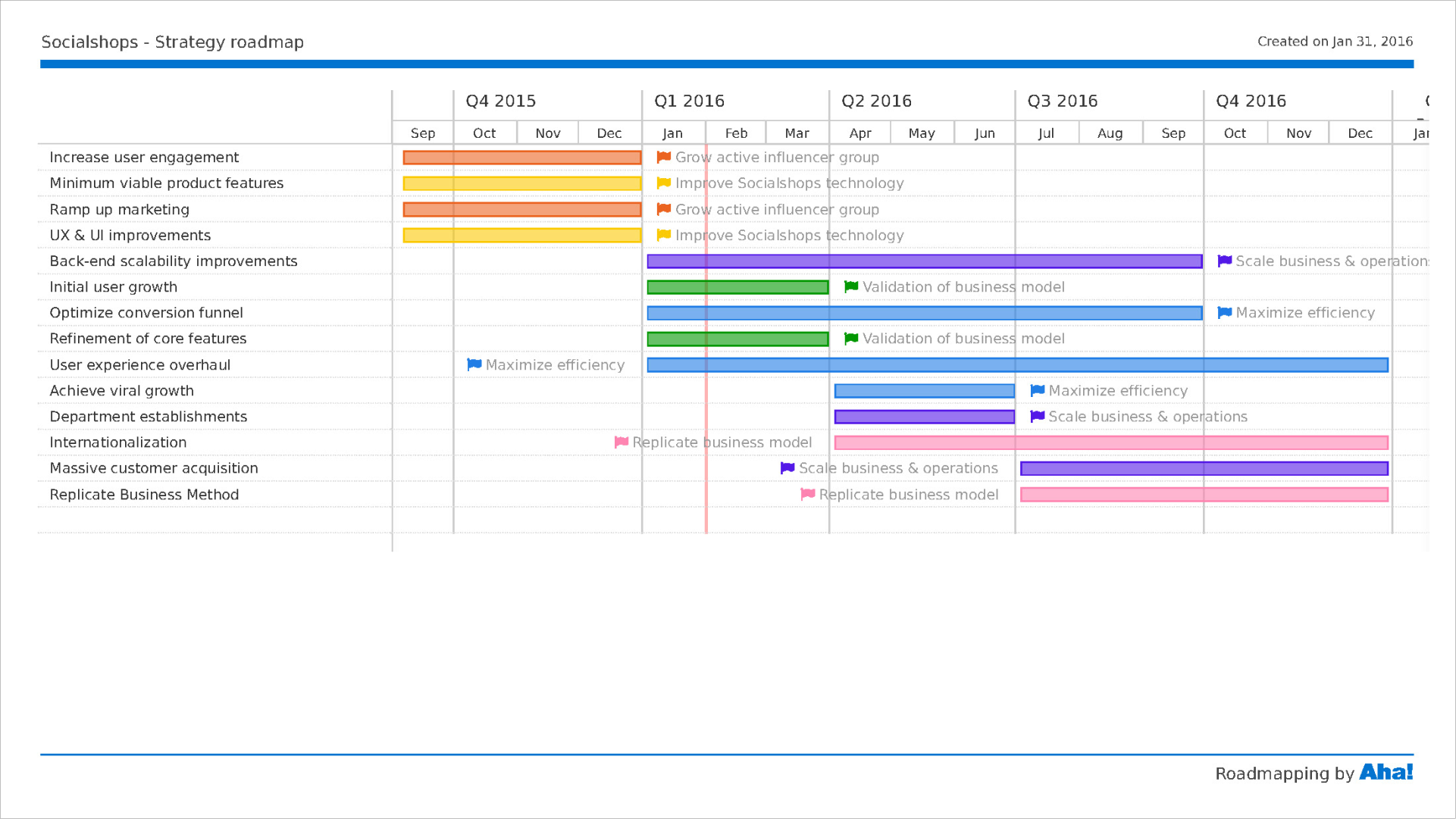
Defined product roadmap and feature prioritization using Aha
Structured initiatives across influencer, merchant, and internal tooling systems
Balanced business goals, user needs, and technical constraints
Translated strategy into actionable features and phased releases
Multi-Sided Platform Design
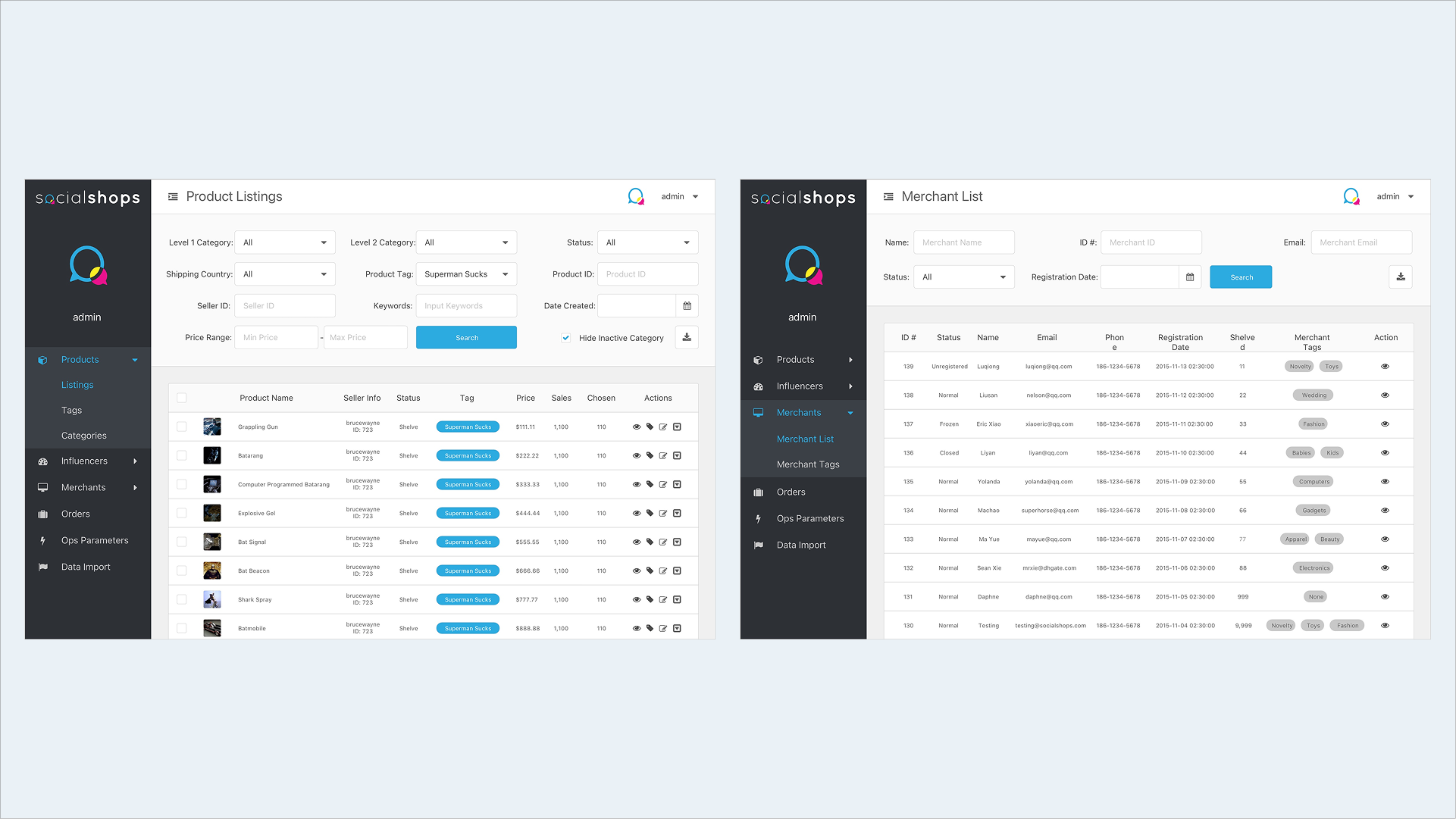
Designed for a multi-sided platform including influencers, suppliers, and internal teams
Created workflows for storefront creation, product selection, and merchandising
Enabled merchant integration with inventory and pricing systems
Supported internal operations with tools for content and storefront management
Validation & Iteration
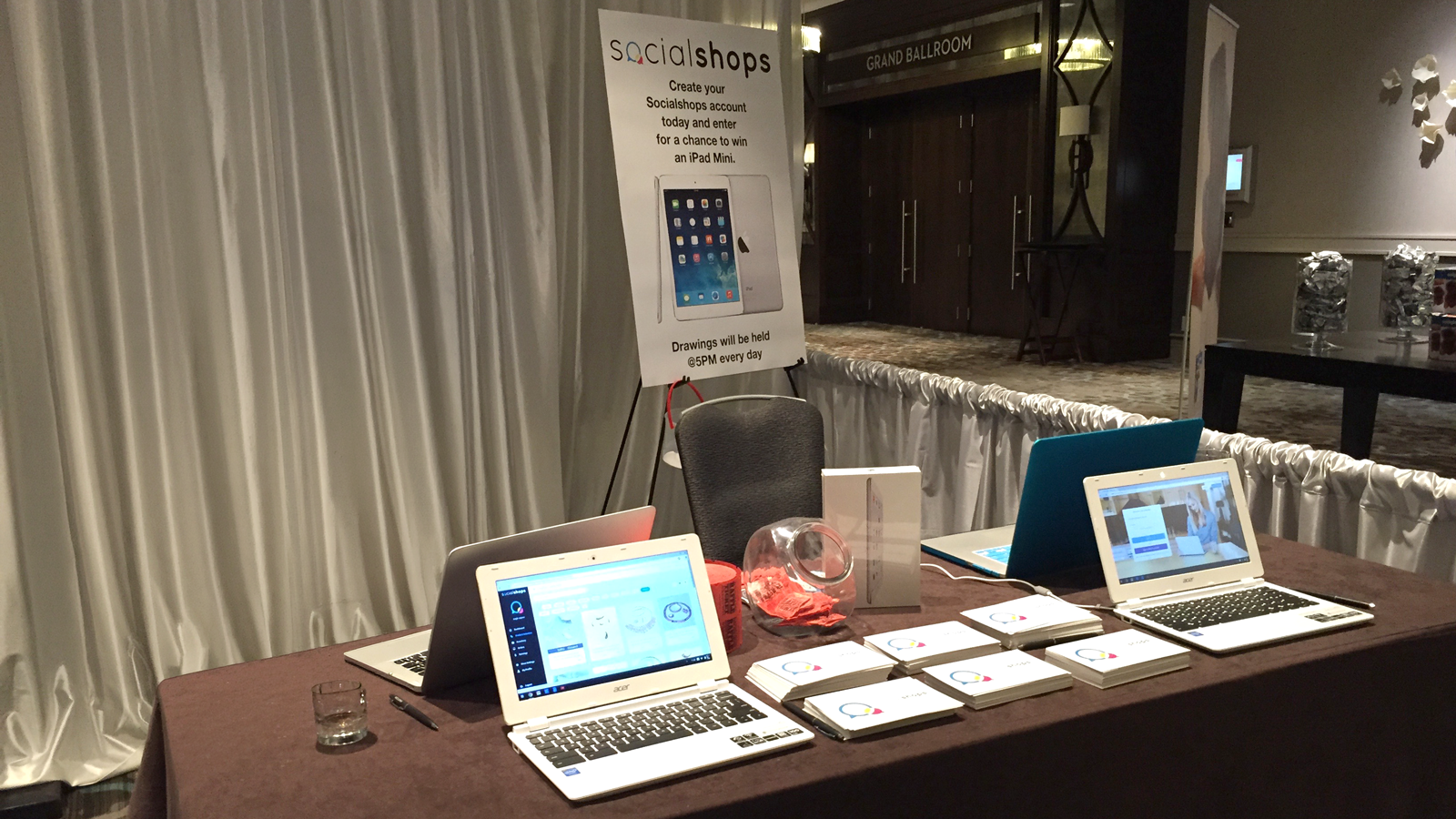
Socialshops booth at the Type A Parent Conference in Atlanta, where we demoed the product and gathered feedback from influencers and partners.
Conducted demos with internal stakeholders and early partners
Presented Socialshops at the Type A Parent Conference in Atlanta to engage influencers and gather feedback
Iterated on product concepts based on real-world conversations and usage scenarios
Refined feature scope to align with adoption and usability
Adjusted roadmap priorities based on validation and feasibility
Cooby - Mobile Discovery for Trending Products
Designed a swipe-based discovery app targeting trend-driven shoppers, testing social voting and wishlist mechanics to surface popular products and drive purchase intent.
Diane’s Home - Tablet Experience for Home Décor
Designed a curated iPad browsing experience for home décor shoppers, testing whether a larger-screen lean-back experience improved engagement and conversion.
Impact & Outcomes
Grew mobile GMV from $29.6M to $64.1M through checkout optimization, promotional systems, and platform expansion
Increased new buyer growth by 439% through improved onboarding and purchase flows
Improved checkout conversion by 15% through One Step Buy
Validated new commerce models including influencer storefronts and verticalized category experiences